
Difference Between CBSE and ICSE Boards Explained for Parents
Understanding the Importance of Choosing the Right Board
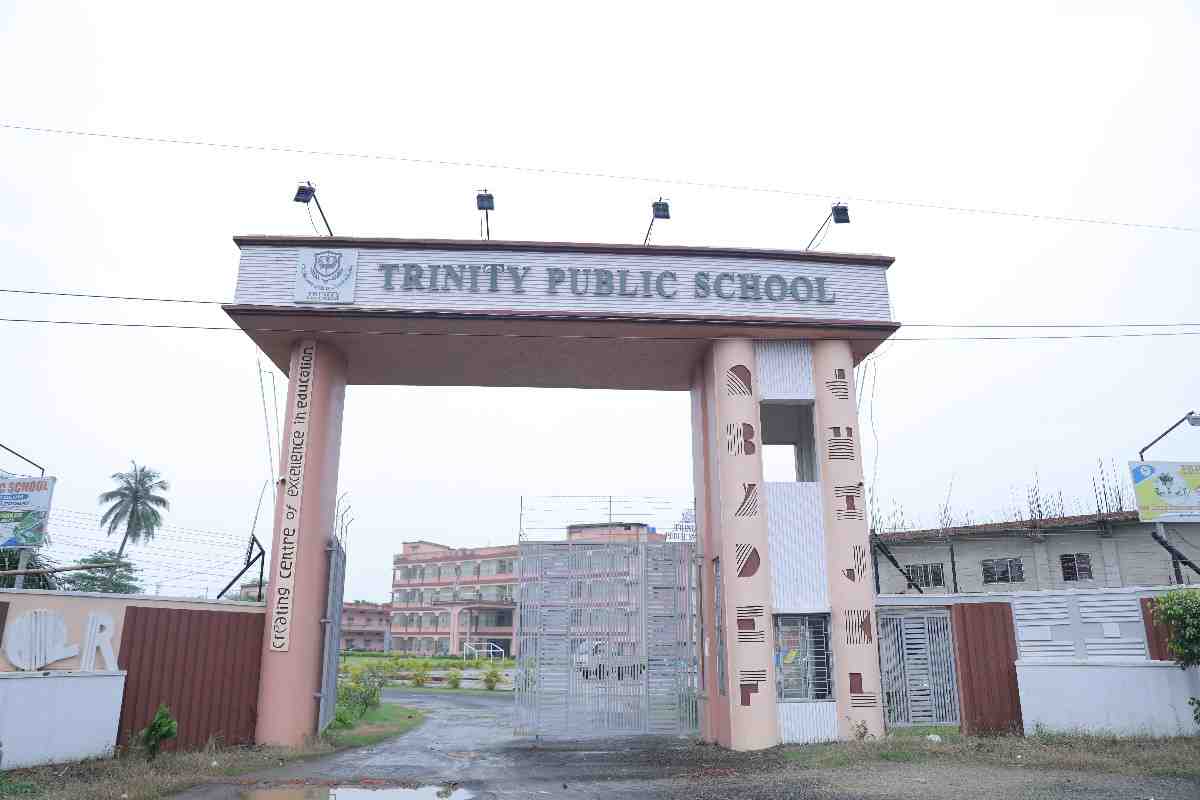
Parents looking for quality education often check out different school boards before enrolling their children. Many use the academic approach at Trinity Public School to help them decide. Choosing the right board influences a child’s learning style, future readiness, and overall growth. While both CBSE and ICSE provide solid frameworks, their curriculum structure, evaluation methods, and learning emphasis are quite different. Knowing these differences helps parents make smart choices for their child’s education.
Overview of CBSE Board
The CBSE board is widely liked for its structured and student-friendly approach. It supports conceptual clarity and aligns with national-level competitive exams, making it suitable for long-term academic goals.
Key features of CBSE board
- The course is concise and easy to follow
- Focus on mathematics and science concepts
- Ideal for students preparing for national competitive exams
- Follows NCERT textbooks approved by national authorities
- Promotes analytical and practical learning
Overview of the ICSE Board
Due to its systematic and student friendly approach, CBSE board is strongly preferred. It is suitable for long-term academic purposes as it promotes conceptual clarity and is in line with nationally competitive examinations.
ICSE Board Highlights
- Emphasis on English and literature
- Extensive focus on project work and assignments
- Wide range of subjects, including arts, humanities and sciences
- Encourages practical, application-based understanding
- Suitable for students aiming for an international educational path
Curriculum Structure Comparison
The curriculum of each board plays a major role in shaping a student’s educational journey. CBSE focuses on essential subjects and exam-oriented preparation, while ICSE encourages in-depth exploration of concepts across multiple subjects.
Curriculum differences include:
- ICSE has a more detailed and comprehensive syllabus
- ICSE uses books approved by its own council.
- ICSE supports strong linguistic and creative development
- CBSE has a well-organized syllabus
- CBSE uses NCERT as main textbook
- On par with CBSE National Competitive Examinations
Teaching Methodology and Learning Approach
The teaching style varies significantly between CBSE and ICSE classes. Each board adapts its methodology to match its educational goals and expectations of students.
Learn differences:
- ICSE has a more detailed and comprehensive syllabus
- ICSE uses books approved by its own council.
- ICSE supports strong linguistic and creative development
- CBSE has a well-organized syllabus
- CBSE uses NCERT as main textbook
- On par with CBSE National Competitive Examinations

Assessment and Examination System
The grading system reflects how each board measures a student’s learning progress. Understanding this helps parents decide which structure best suits their child’s learning style.
Comparison of evaluation structure:
- CBSE has objective structured question patterns
- CBSE exams emphasize problem solving
- ICSE exams require extensive writing and explanation
- ICSE includes detailed, descriptive answers
Internal assessment is mandatory for both boards
Difficulty Level and Academic Pressure
Both CBSE and ICSE are well recognized but the level of difficulty varies. CBSE aims for a balanced workload, while ICSE offers a more rigorous academic environment.
Difference in Difficulty:
- CBSE is known for manageable syllabus and examination style
- CBSE reduces unnecessary pressure through simplified content
- CBSE is preferred by students aiming for competitive exams
- ICSE requires consistent reading and writing practice
- ICSE is considered more extensive and comprehensive
- ICSE requires a broader understanding
Which Board Develops Better Skills
Both boards contribute to skills development, but in different ways. Parents should identify which strengths best match their child’s personality and future goals.
Skills gap:
- Improves CBSE analytical and numerical skills
- CBSE supports logical and structured education
- ICSE increases creativity and research ability
- ICSE builds strong language and communication skills
Both boards build trust and academic discipline
Choosing the Right Board for Your Child
Every child learns differently and their needs should guide the decision. Parents should consider learning preferences, career goals and long-term plans while choosing a board.
Factors parents should consider:
- Children’s natural interests and strengths
- Long-term educational goals
- Preferred learning style
- Type of assessment the child is comfortable with
- Planning for future competitive exams or studies abroad
CBSE Board and ICSE Board in terms of local school options
In order to determine which curriculum best meets their needs, parents searching for reputable CBSE schools in Barrackpore frequently compare nearby establishments that offer these boards. The final choice is also influenced by the availability of co-curricular activities, infrastructure, and qualified teachers.
Families are better able to match their child’s needs with the appropriate learning environment when they are aware of how each school board operates.
Conclusion
Deciding between CBSE and ICSE is simple when parents are well informed about the structure, advantages and outcomes of each board. While both provide a solid educational foundation, the formats of teaching, depth of topics, and methods of evaluation differ.
Parents must consider their child’s preferred style of learning and goals down the road before reaching a choice.
Premier education institutes such as Trinity Public School are equipped to help parents assess these differences to provide a caring environment for educational enhancement, which is why many parents consider it as one of the Best Schools in Barrackpore.
